Url Encoder Spellmistake and Common URL Errors
What Is a URL Encoder Spellmistake
A Url encoder spellmistake usually happens when users type incorrect characters or misunderstand how URL encoding works. URL encoding is a method used to convert special characters into a format that browsers and servers can safely process online.
Many beginners become confused between encoding and decoding. This is why phrases like url decoder spellmistake and url encoder and decoder spellmistake often appear in search results and online discussions.
When people work with websites forms APIs or programming projects they may accidentally create formatting mistakes inside URLs. Even a small symbol error can stop a webpage from working correctly.
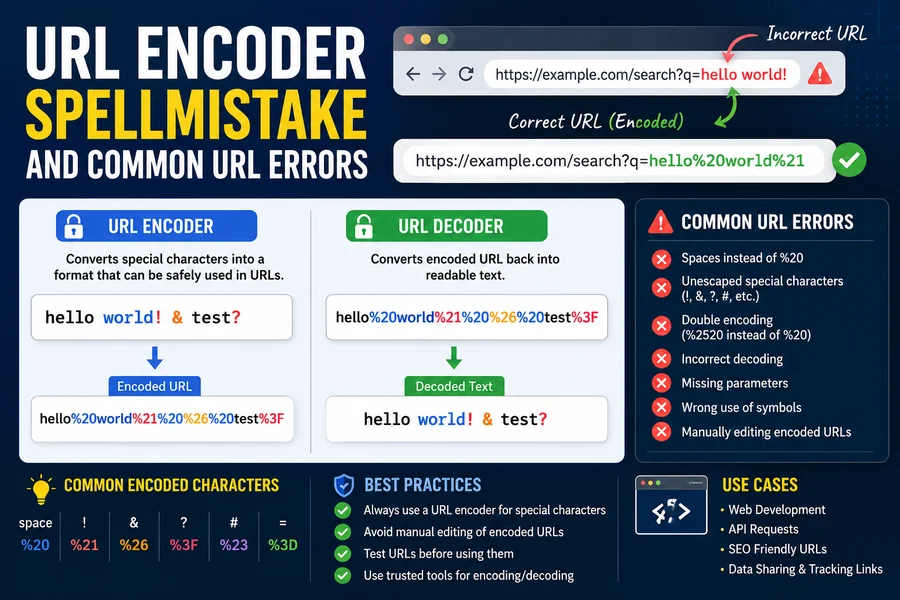
A Url encoder spellmistake may happen because users forget to replace spaces special symbols or reserved characters with encoded versions. For example spaces are usually converted into “%20” inside URLs.
Understanding URL formatting helps developers marketers and website owners avoid broken links and technical problems online.
Why URL Encoding Matters
URL encoding plays an important role in modern websites and online communication. Without proper encoding browsers may misread characters and fail to load pages correctly.
Many users searching url decoder spellmistake are trying to understand why encoded text looks unusual or unreadable. Encoded URLs contain symbols and percentage values that help browsers process information safely.
The phrase url encoder and decoder spellmistake often appears because people confuse the purpose of encoding and decoding tools. Encoding converts readable characters into safe web format while decoding converts them back into normal text.
A Url encoder spellmistake can affect website security search engine indexing and user experience. Incorrect formatting may create invalid links or data transfer problems.
Businesses developers and SEO professionals regularly use encoding tools to manage links forms search queries and tracking information.
Learning the basics of URL formatting can prevent many common website issues and technical errors.
Common Causes of URL Encoder Errors
There are several reasons why a Url encoder spellmistake happens. One common issue is manually editing URLs without understanding encoded characters.
For example users sometimes place spaces directly into URLs instead of converting them properly. Others copy incomplete links or remove encoded symbols accidentally.
Searches for url decoder spellmistake often come from users trying to fix broken links that contain unreadable characters. Sometimes websites automatically encode text and users think the result looks incorrect.
Another common problem involves mixing encoded and non encoded text in the same URL. This creates formatting conflicts that may stop webpages from functioning properly.
The phrase url encoder and decoder spellmistake also becomes popular among beginner programmers learning about web development and API communication.
Encoding errors can happen inside website forms login systems online payment gateways and search functions. Even experienced developers occasionally make formatting mistakes while testing websites.
Difference Between URL Encoder and Decoder
Many people confuse the roles of URL encoding and decoding. This confusion is one reason why url encoder and decoder spellmistake remains a heavily searched phrase online.
A URL encoder changes special characters into encoded symbols that browsers can safely process. For example spaces become “%20” and other reserved symbols receive unique encoded values.
A URL decoder does the opposite. It converts encoded characters back into readable text. This helps users understand links or recover normal formatting.
People searching url decoder spellmistake are often trying to decode unusual text copied from websites forms or tracking links.
A Url encoder spellmistake may occur when someone decodes text accidentally or encodes the same content multiple times. Double encoding is a common issue in programming and web development.
Understanding the difference between encoding and decoding helps users avoid formatting problems and technical confusion online.
How To Avoid URL Encoding Mistakes
Preventing a Url encoder spellmistake becomes easier once users understand basic URL formatting rules.
First always use trusted encoding tools when handling special characters. Modern browsers programming languages and website platforms usually provide automatic encoding features.
Second avoid editing encoded links manually unless necessary. Small changes can damage formatting and create broken URLs.
People researching url decoder spellmistake often discover that copied links became corrupted because characters were removed or modified accidentally.
Another useful tip is testing URLs before publishing them publicly. Developers usually check whether encoded links open correctly across devices and browsers.
Understanding url encoder and decoder spellmistake issues also helps SEO professionals manage cleaner search friendly URLs for websites.
Keeping URLs simple readable and properly formatted improves user experience and reduces technical problems significantly.
URL Encoding and SEO Benefits
URL formatting affects search engine optimization more than many people realize. Clean properly encoded links improve website accessibility and user trust.
A Url encoder spellmistake may create confusing URLs that reduce click rates or indexing performance in search engines.
Search engines prefer URLs that are organized readable and technically correct. Broken encoded links can negatively affect crawling and website rankings.
People searching url encoder and decoder spellmistake are often involved in SEO web design or digital marketing because URL structure impacts online visibility.
Using proper encoding also protects websites from invalid characters and formatting conflicts that might interfere with browser compatibility.
Searches for url decoder spellmistake continue increasing because many website owners want to understand technical SEO details better.
Good URL management supports faster indexing stronger usability and better overall website performance.
URL Encoding in Modern Web Development
Modern websites rely heavily on encoded URLs for communication and data transfer. Web applications APIs and search systems all use encoded formatting regularly.
A Url encoder spellmistake inside an API request may prevent data from loading correctly. This is why developers carefully test URL formatting before launching systems publicly.
The phrase url encoder and decoder spellmistake is common in programming communities because developers frequently work with encoded requests query strings and form submissions.
Many coding languages offer built in functions for URL encoding and decoding. These tools reduce human error and simplify web development processes.
People researching url decoder spellmistake are often trying to troubleshoot data formatting issues during coding projects.
As websites become more advanced proper encoding remains essential for functionality compatibility and secure communication online.
Final Thought
A Url encoder spellmistake may seem like a small technical issue but it can create major problems for websites applications and online communication.
Understanding the difference between url decoder spellmistake and url encoder and decoder spellmistake helps users avoid formatting confusion and broken links.
URL encoding protects data improves browser compatibility and supports better SEO performance across websites. Whether someone is a beginner developer digital marketer or website owner learning proper encoding techniques is extremely valuable.
Modern internet systems depend on correctly formatted URLs every day. Avoiding encoding mistakes helps improve website reliability security and user experience in the long run.
FAQs
What is a Url encoder spellmistake?
It refers to formatting errors made while encoding URLs or handling special characters inside web links.
Why do people search url decoder spellmistake?
Many users search this phrase when trying to understand strange encoded text or repair broken URLs.
What does url encoder and decoder spellmistake mean?
It describes confusion or errors involving both encoding and decoding URL data.
Why is URL encoding important?
URL encoding allows browsers and servers to process special characters safely and correctly.
Can a Url encoder spellmistake affect SEO?
Yes. Broken or improperly formatted URLs may negatively affect search engine indexing and user experience.
What is the difference between encoding and decoding?
Encoding converts special characters into safe web format while decoding restores readable text.
How can I avoid URL formatting mistakes?
Use trusted encoding tools avoid manual editing and always test links before publishing them online.